In magnetic materials laboratories, researchers often face a dilemma: either sacrifice sample space for magnetic field strength, or endure temperature drift causing data distortion. The head of a magnetoelectric functional materials team at a Double First-Class university stated: "Our chiral magnetic domain observation project requires a uniform magnetic field environment that can accommodate a complex optical path system, with temperature fluctuations less than ±0.5°C during 72 hours of continuous operation. After surveying the market, we found that either the magnet volume was insufficient or the thermal stability could not meet the requirements."
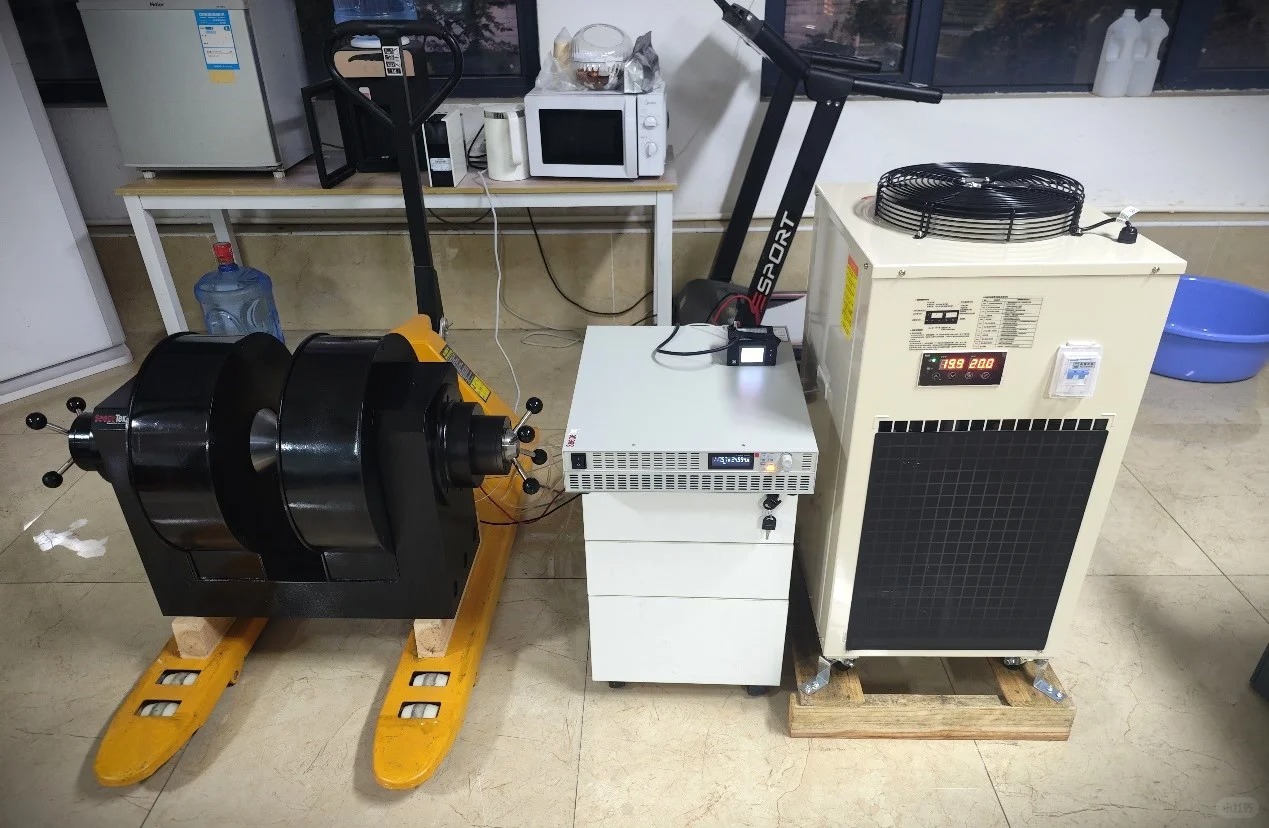
This industry's "space-strength-stability" impossible triangle has found its solution in our delivered Φ150mm water-cooled horizontal electromagnet.
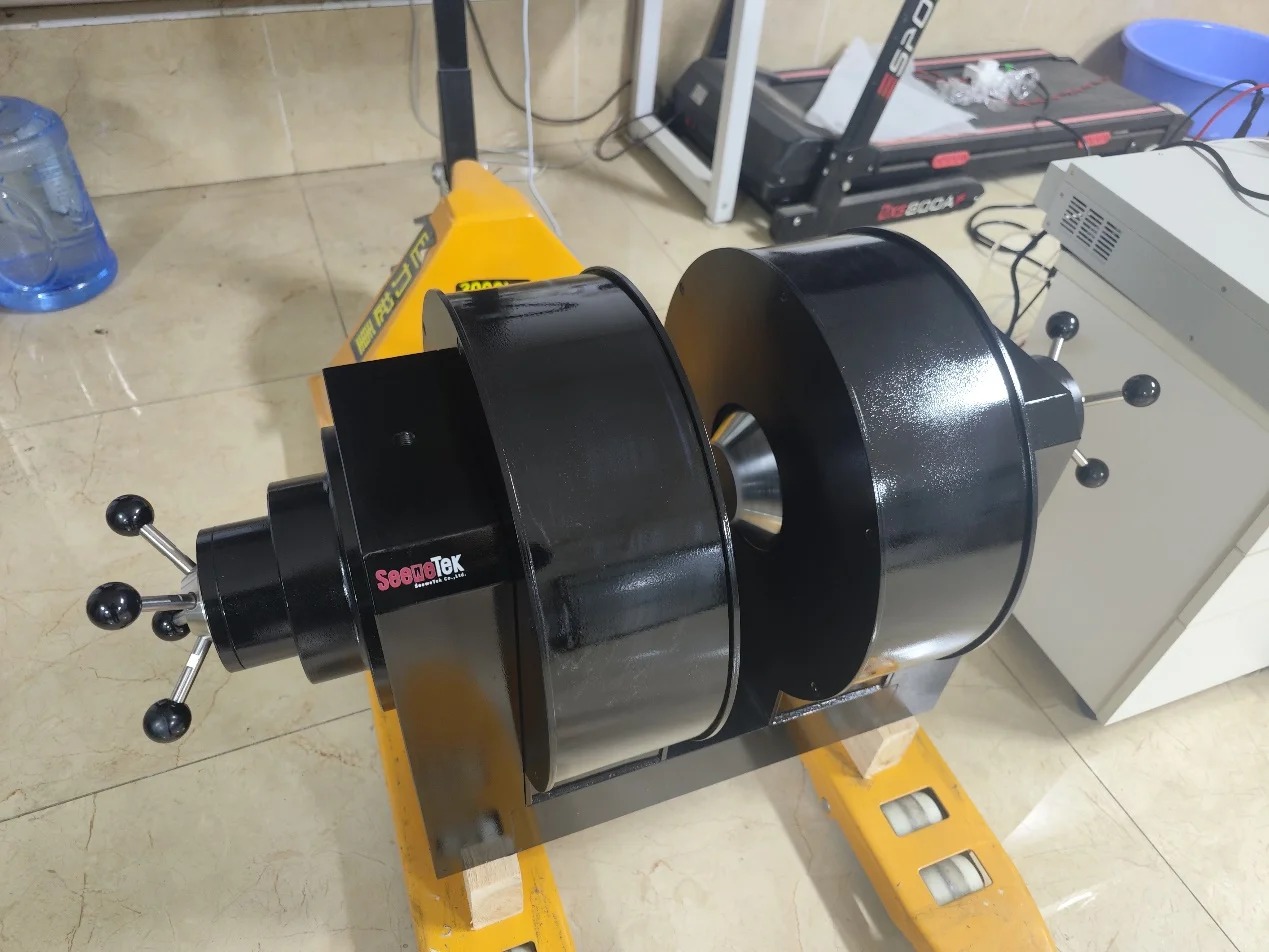
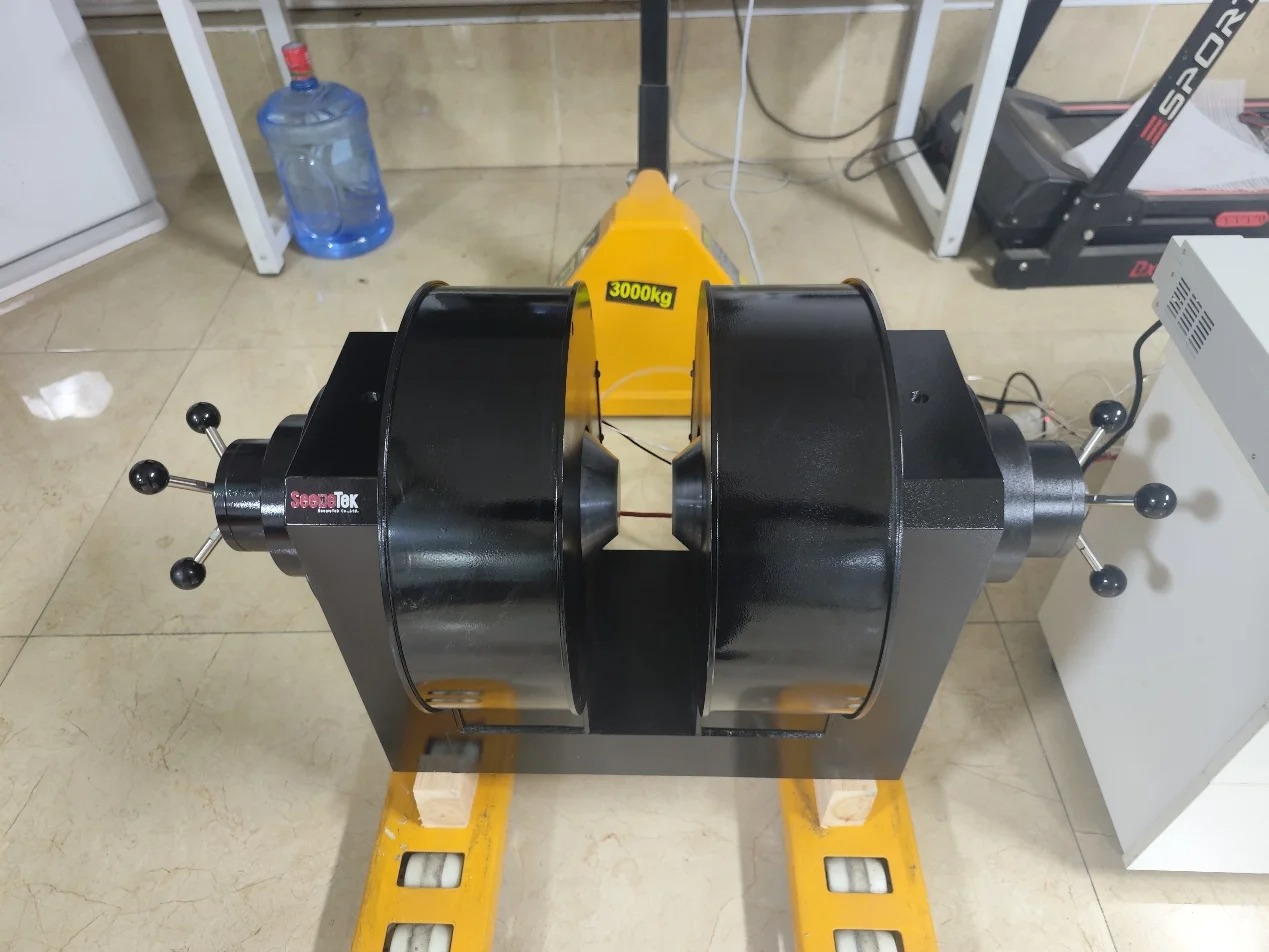
The pole face diameter of this horizontal electromagnet reaches Φ150mm, but the true meaning of "large" lies in its revolutionary adjustable gap design. Through precision mechanical structure, the air gap can be continuously adjusted from 10 to 80mm. Combined with optimized magnetic circuit, it can stably output a uniform magnetic field of 2.5T (@220V/30A) at a 50mm air gap. This means researchers no longer need to compromise for the intrusion of accessories such as sample stages, cryostats, or optical windows—the magnet space is sufficient to accommodate the complete experimental environment, rather than forcing experimental design to adapt to equipment limitations.
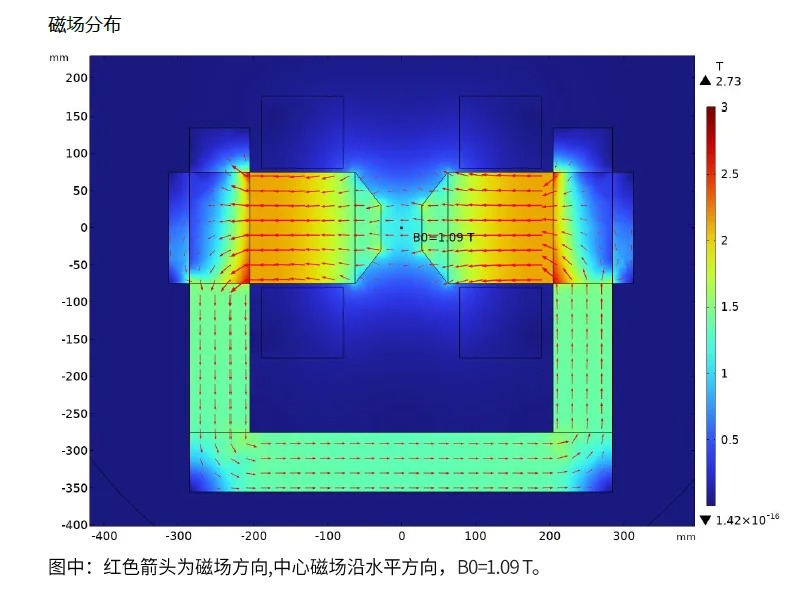
More critically, we use finite element simulation to inversely optimize the magnetic circuit shape, ensuring that the magnetic field uniformity under different air gaps is better than 0.5%@10mm DSV. This "predictability of magnetic field quality" is the hardest technical confidence from simulation-verified design.