A magnetic field generation device generally consists of an excitation power supply and a magnetization device. By energizing the magnetization device with the excitation power supply, it can generate various types of magnetic fields such as DC, AC, and pulsed magnetic fields. Common magnetization devices include coils (solenoids, Helmholtz coils, etc., for weak magnetic fields) and electromagnets (for strong magnetic fields).
1. Common Types of Magnetic Field Generators
1.1 Solenoid
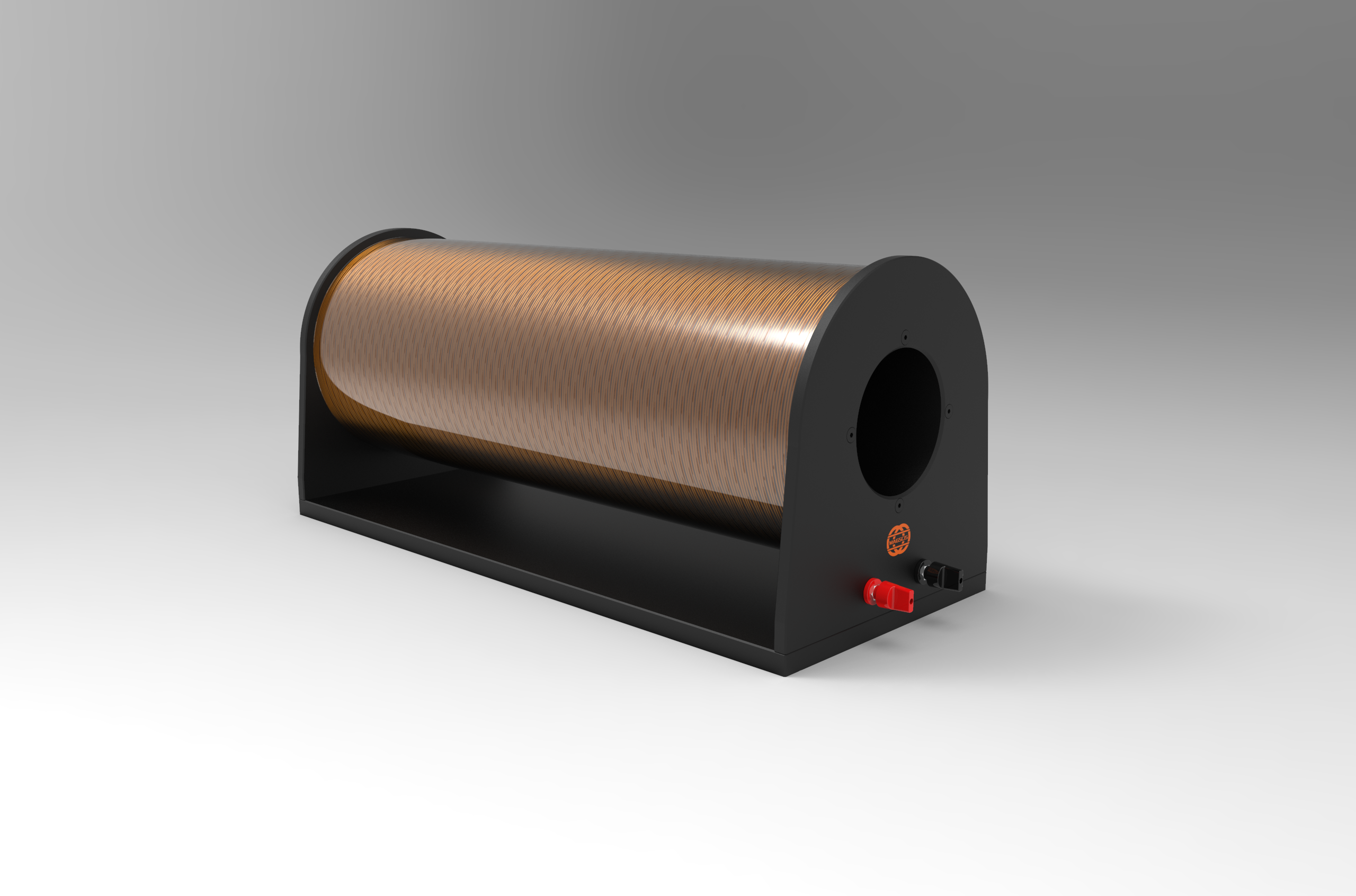
The solenoid-type magnetic field generation device (see figure below) features good uniformity, compact size, and relatively high magnetic field strength. It can generate AC and DC magnetic fields with a good linear relationship between current and magnetic field. Suitable for research institutes, universities, and enterprises for material magnetic property or testing experiments, applied in materials, electronics, biology, medical, aerospace, chemistry, applied physics, and other disciplines. Main uses: generating standard magnetic fields, calibrating Hall probes and various magnetometers, studying biological magnetic fields and material magnetic properties, magnetizing and demagnetizing magnetic materials.
1.2 Helmholtz Coil
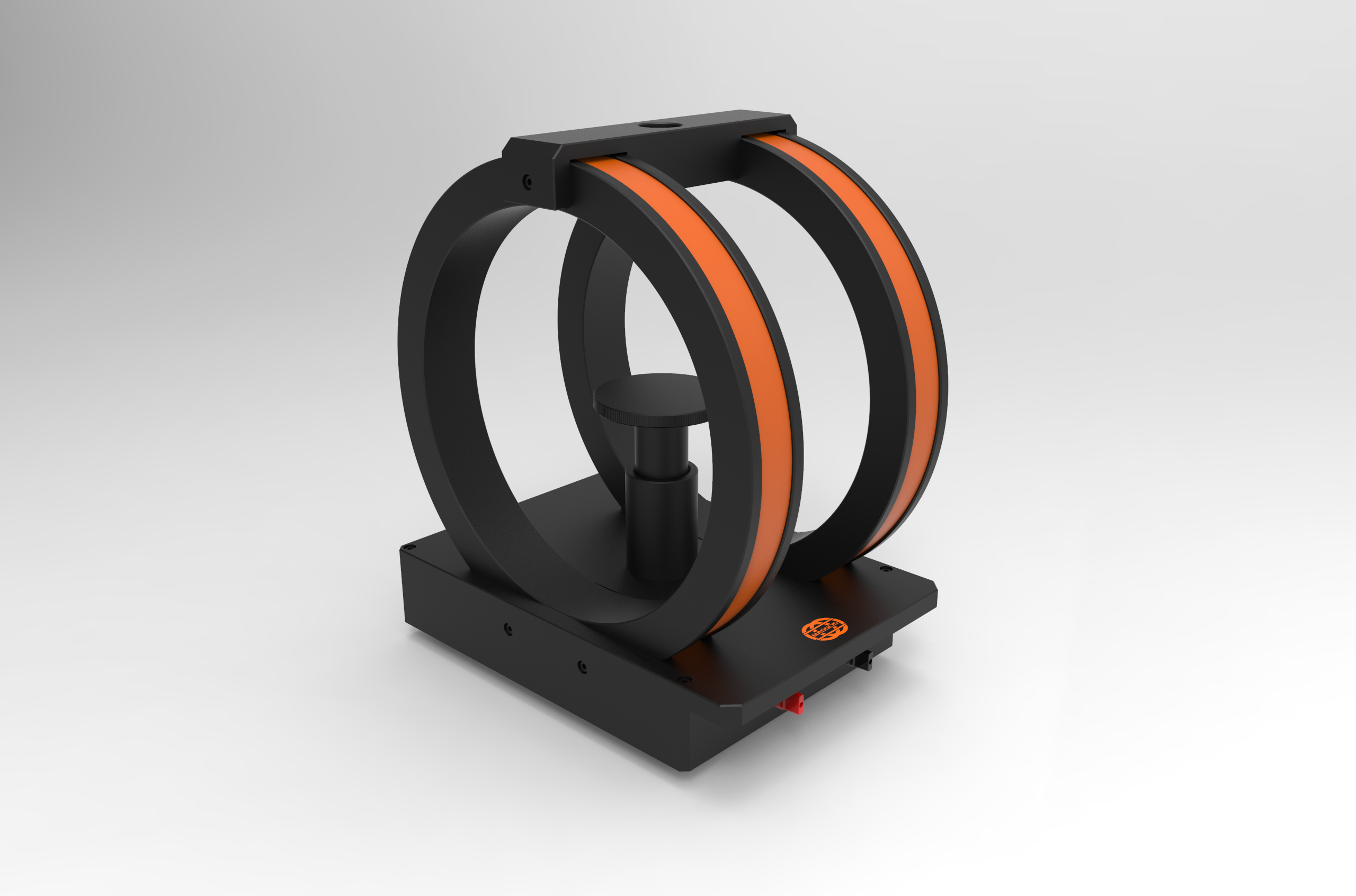
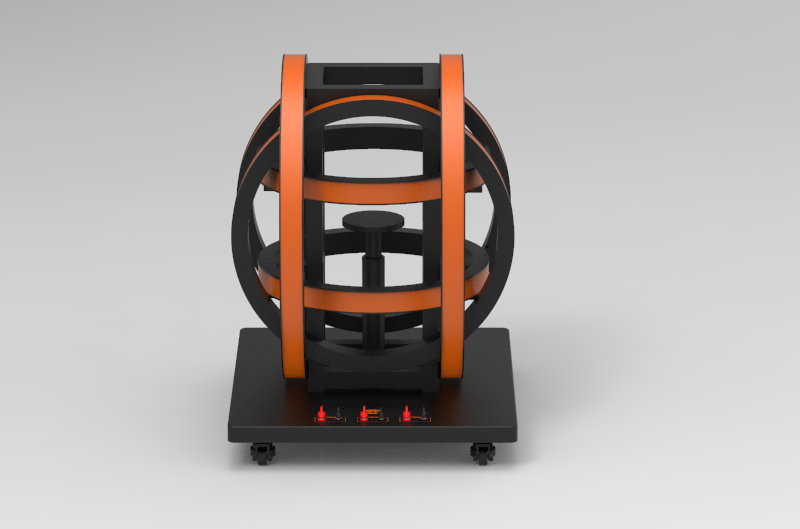
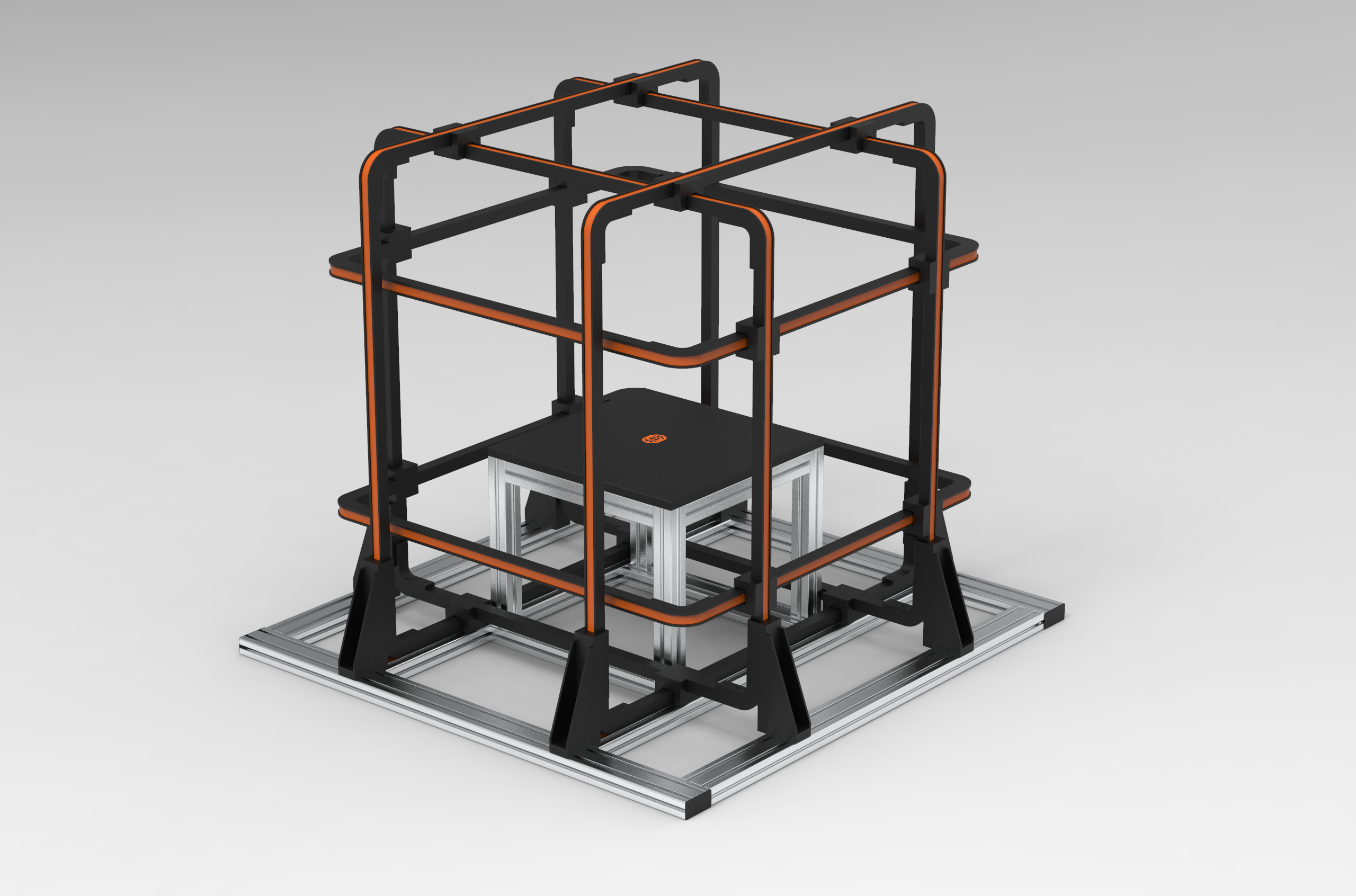
Helmholtz coils have a large uniform field region, spacious working area, and easy operation. They can achieve one-dimensional, two-dimensional, or three-dimensional combined magnetic fields (circular or rectangular), providing AC and DC magnetic fields with good linearity between current and magnetic field. Suitable for research institutes, universities, and enterprises for material magnetic property or testing experiments, applied in materials, electronics, biology, medical, aerospace, chemistry, applied physics, and other disciplines. Main uses: generating standard magnetic fields; canceling and compensating Earth's magnetic field, simulating geomagnetic environment, evaluating magnetic shielding effectiveness, electromagnetic interference simulation experiments, calibrating Hall probes and various magnetometers, studying biological magnetic fields and material magnetic properties.
1.3 Electromagnet
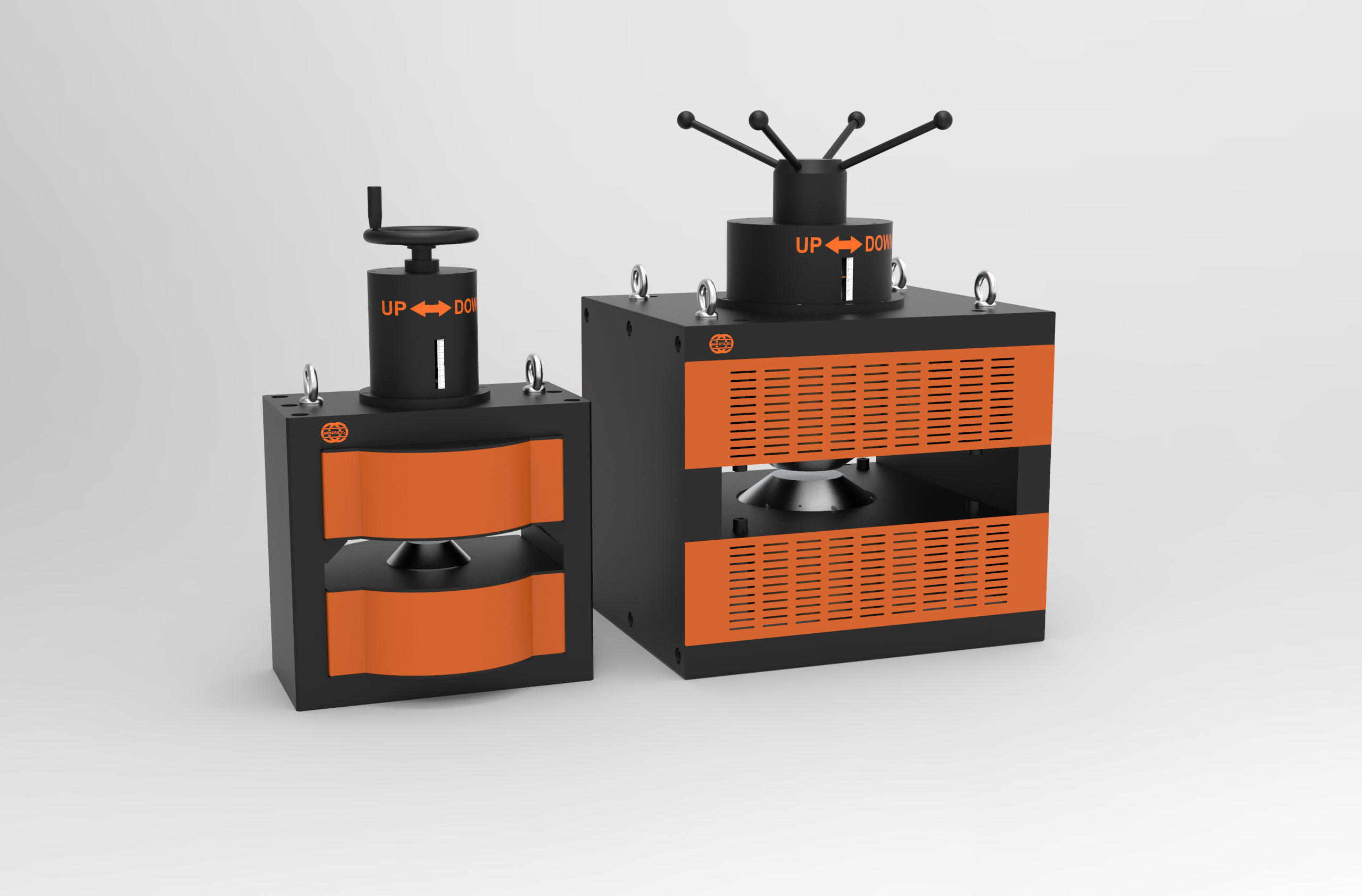
Electromagnets mainly consist of coils, pole pieces, and yokes, forming a closed magnetic circuit to generate a uniform high magnetic field between the pole pieces. The air gap of the electromagnet is adjustable, providing good rigidity.
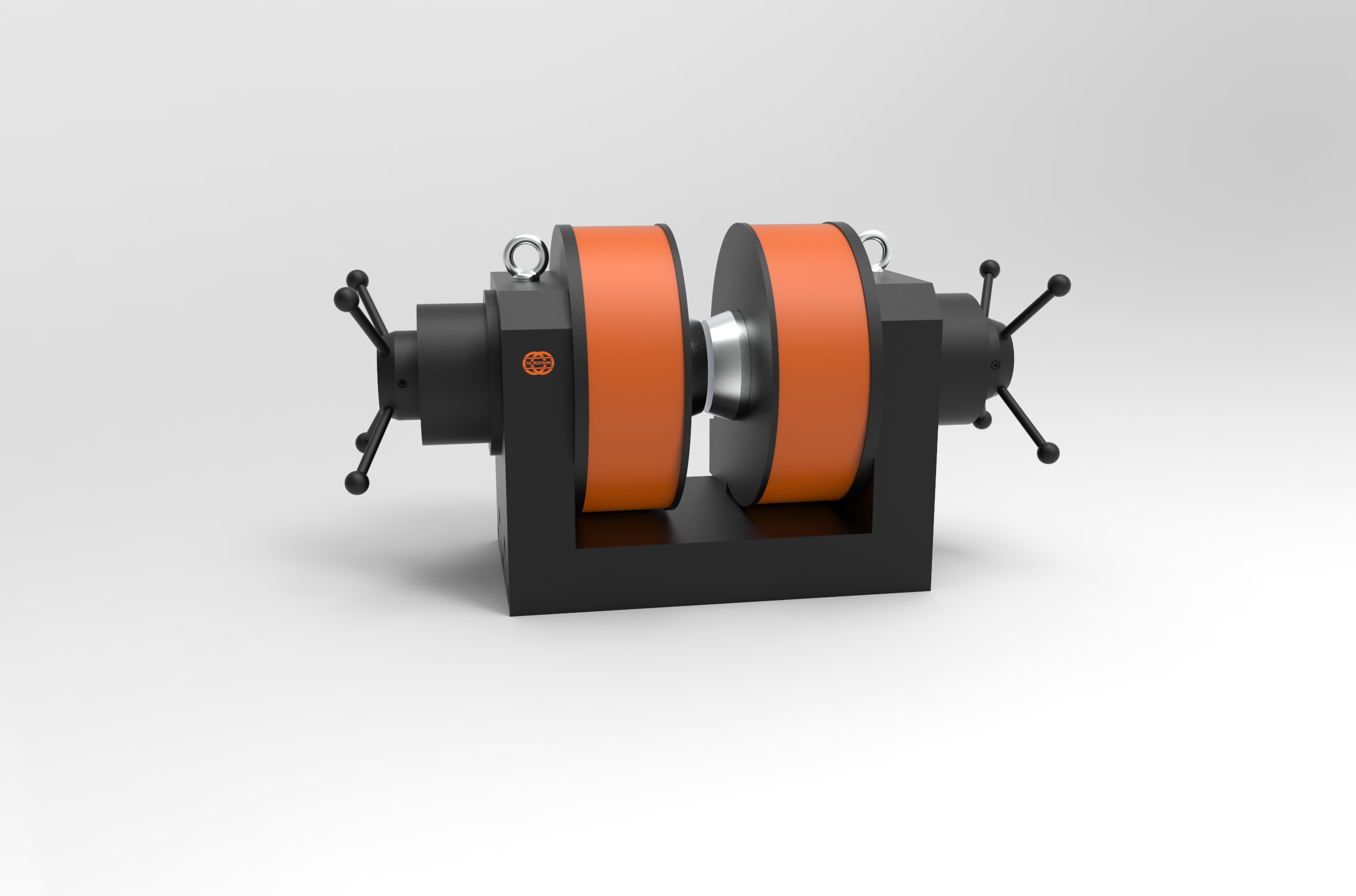
When placed upright, the magnetic field direction is vertical. Samples can be placed on the lower pole piece surface, making sample placement and removal convenient, suitable for repeated measurements. Widely used in Hall effect studies, magnetoresistance effect studies, magnetostriction studies, torque magnetometers, force magnetometers, magnetic susceptibility measurement devices, magnetic material measurement devices, and magnetization and demagnetization of magnetic devices. To increase magnetic field strength, iron-cobalt alloy pole pieces can be provided, and uniform field or gradient field pole pieces can be machined.
When placed horizontally, the magnetic field direction is horizontal. Horizontal placement facilitates sample placement and removal and integration with other equipment. Pole pieces are easy to replace, suitable for Hall effect studies, magnetoresistance effect studies, magnetostriction studies, torque magnetometers, force magnetometers, vibrating sample magnetometers, magnetic susceptibility measurement devices, and magnetic material measurement devices.
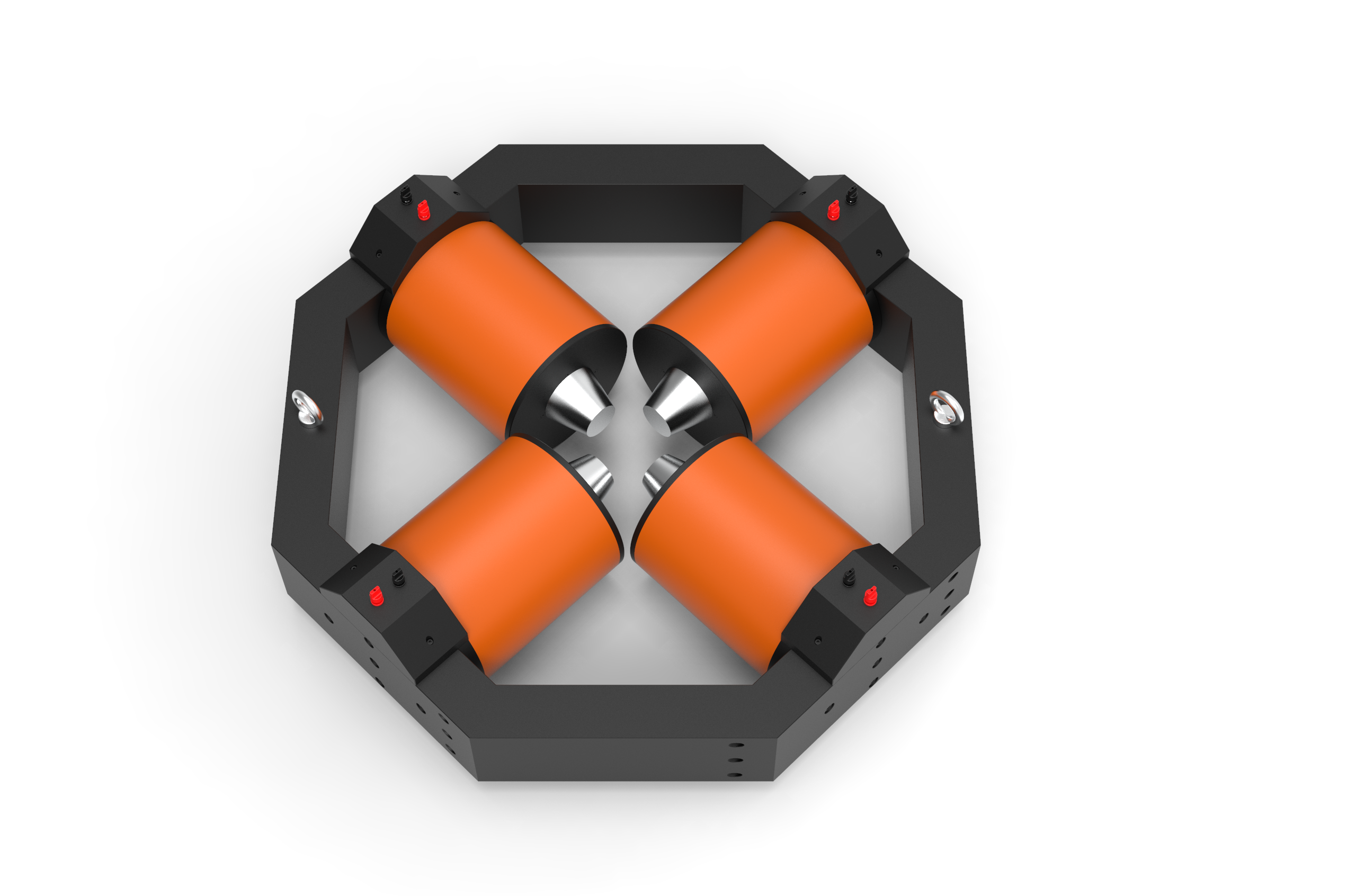
In addition to common two-pole electromagnets, there are also multi-pole electromagnets for application needs. Four-pole electromagnets are the most common, but five-pole, six-pole, eight-pole, and other multi-pole applications also exist, mainly used for multi-pole magnetic ring magnetization, radial gradient magnetic fields, rotating magnetic field magnetic guidance, and other applications. They can provide vector magnetic fields in any direction in a two-dimensional plane or three-dimensional space.
2. Other Magnetic Field Generation Devices
2.1 Multi-pole Electromagnet
Multi-pole electromagnets are most commonly four-pole, but six-pole, eight-pole, and other multi-pole applications also exist. The MFG-64 series four-pole electromagnet can generate various types of magnetic fields depending on operation and configuration, such as DC uniform fields, gradient fields, rotating fields, and AC fields. Suitable for research institutions, universities, and corporate R&D centers for hysteresis studies, magnetic susceptibility measurements, Hall effect studies, magneto-optical experiments, multi-pole magnetic ring magnetization, nuclear magnetic resonance, magnetic measurements, magnetic material orientation, spin magnetic resonance demonstrations, and biological research.
2.2 Maxwell Coil
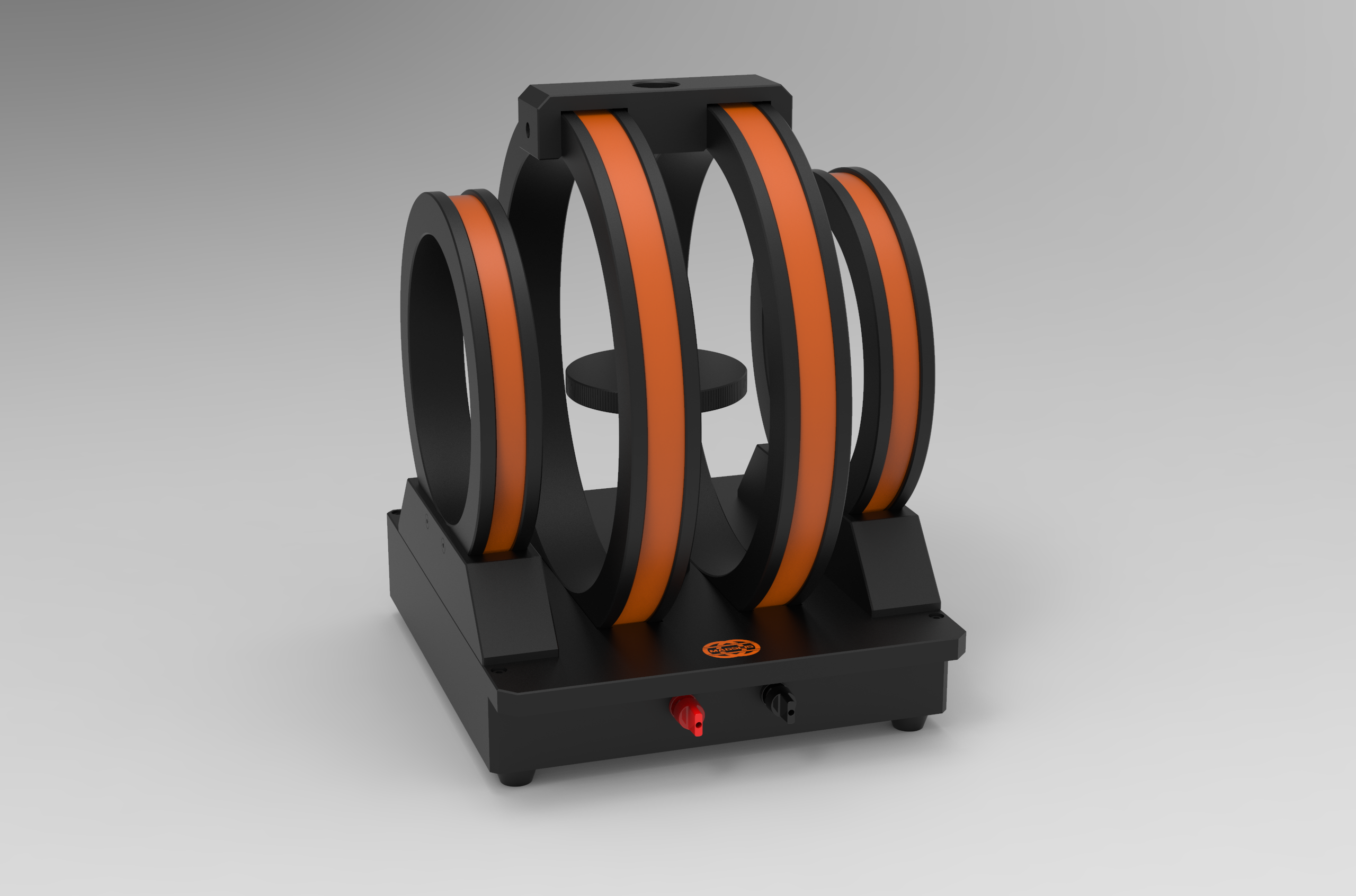
Maxwell coils, compared to Helmholtz coils, can generate a larger uniform magnetic field region at the center of the coil under excitation, with better uniformity. They offer a spacious working area and easy operation. They can generate AC and DC magnetic fields with good linearity between current and magnetic field. Therefore, in some practical applications requiring highly uniform magnetic fields or more compact coil volume, Maxwell coils can be used.
2.3 Quadrupole Coil
Quadrupole coils, unlike quadrupole electromagnets, have a good linear relationship between current and magnetic field, making them easier to control. This device can generate various types of magnetic fields depending on operation and configuration, such as DC uniform fields, gradient fields, rotating fields, and AC fields. Suitable for research institutions, universities, and corporate R&D centers for hysteresis studies, magnetic susceptibility measurements, Hall effect studies, magneto-optical experiments, nuclear magnetic resonance, magnetic measurements, magnetic material orientation, spin magnetic resonance demonstrations, and biological research.
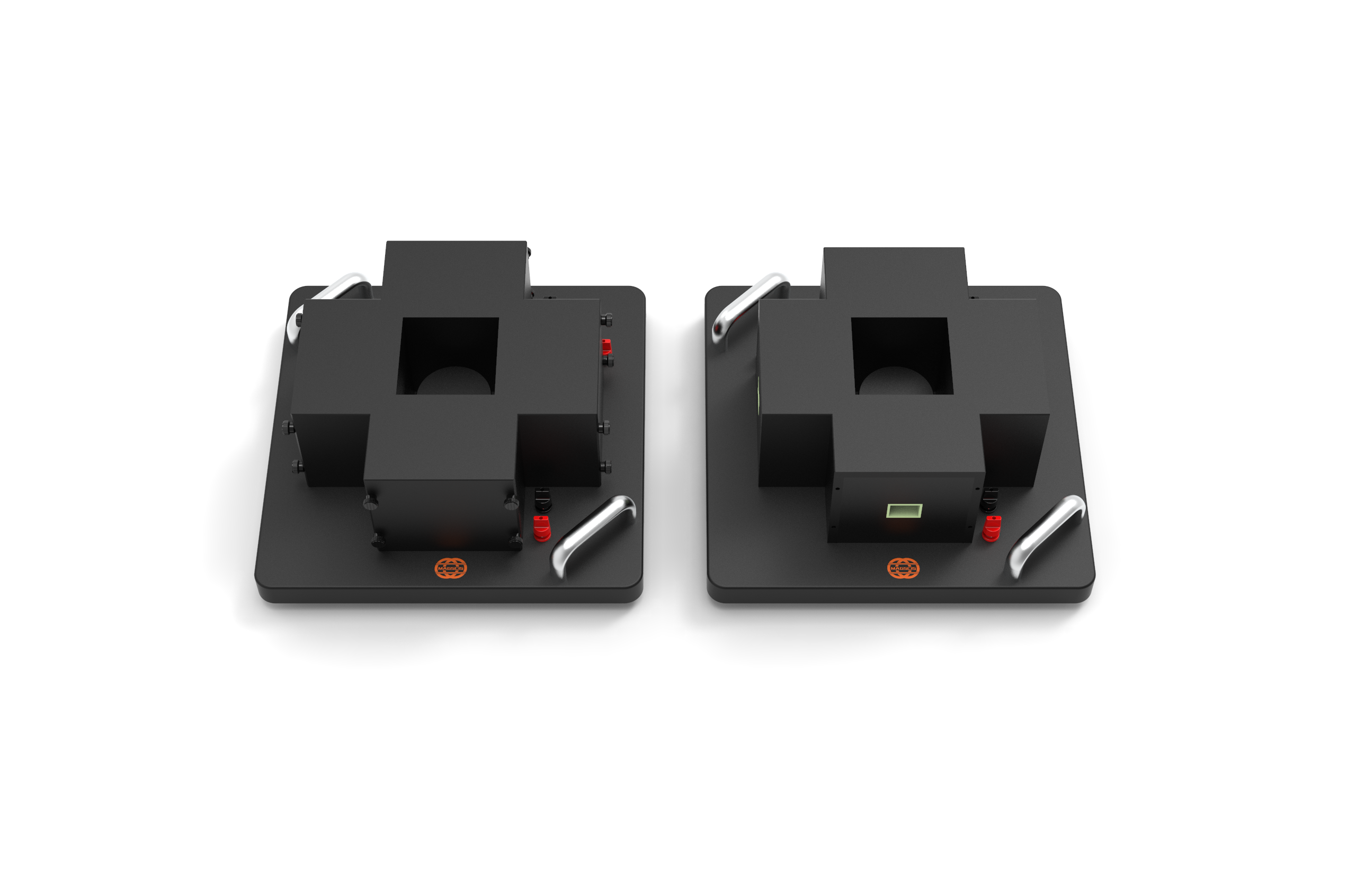
We can customize various magnetic field generation devices according to customer requirements. For inquiries, please contact our sales team.