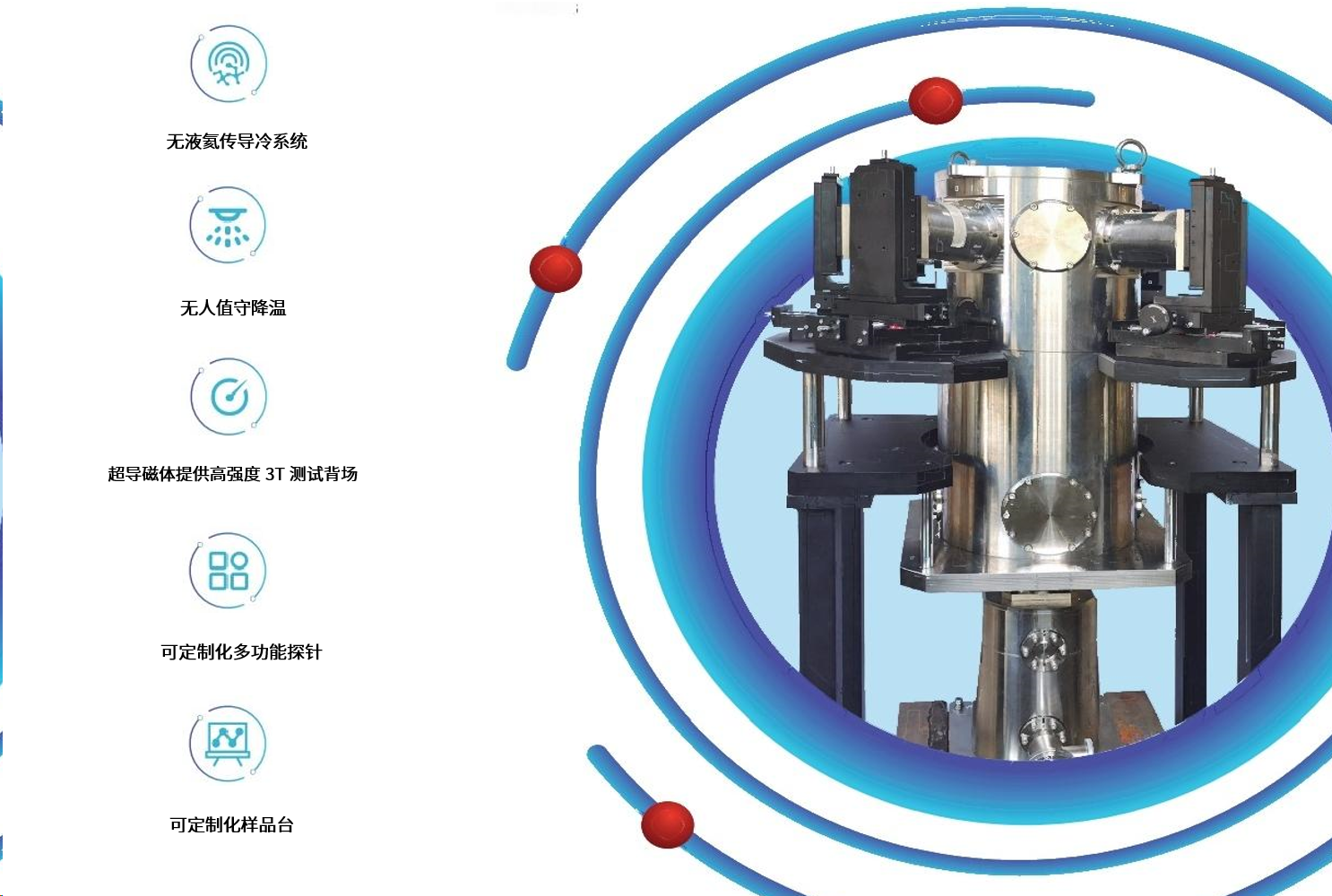
Probe stations are essential high-tech scientific research equipment in fields such as semiconductors, MEMS, and superconducting material detection, playing an irreplaceable role.
•With micron-level probe tips and optical microscopes, they enable low-temperature physical electrical testing, microwave detection, and visual imaging at the mesoscopic level of materials.
•IV and CV curve testing, microwave testing, photoelectric testing, Hall effect testing, and other material research in variable temperature ranges.
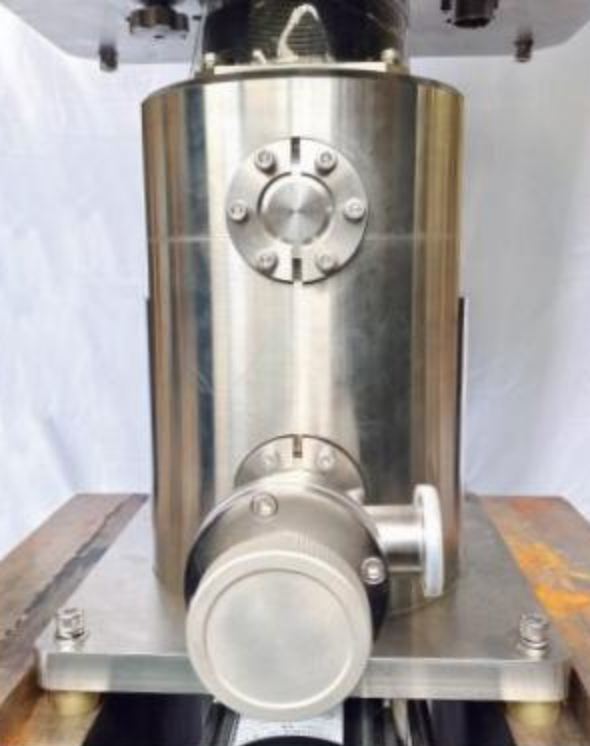
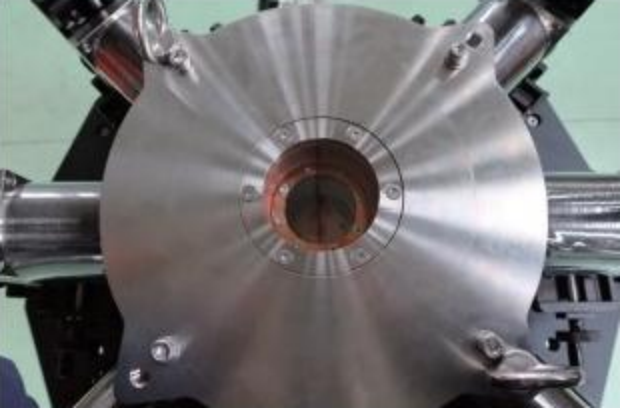
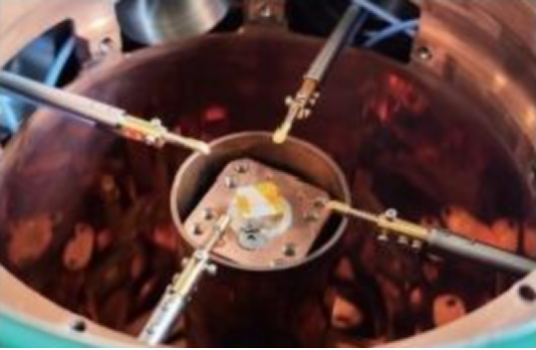
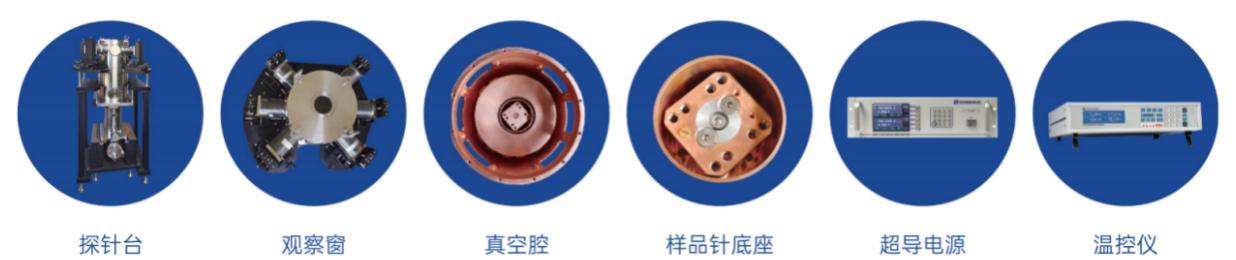
•This equipment provides a low-temperature, vacuum, and magnetic field environment that can introduce electrical, optical, and microwave signals. Signals are introduced via probe arms, low-temperature refrigeration is achieved by a closed-cycle cryocooler, vacuum environment is provided by a vacuum Dewar, and high-intensity magnetic field is provided by a superconducting magnet.
Core Technologies
•Superconducting Magnet Technology
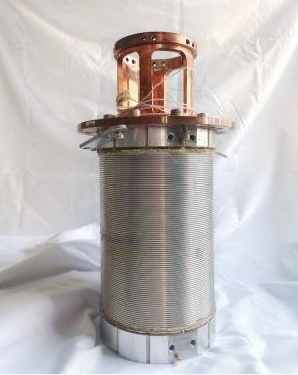
The closed-cycle vertical field superconducting magnet probe station achieves a magnetic field of up to 3T. Through an independently developed optimization design algorithm under electromagnetic-mechanical-thermal multi-physics coupling, a compact superconducting magnet system with low loss and high stability is designed and fabricated.
•Fast Cooling and High Conductivity Refrigeration Technology
The low-temperature system uses a two-stage G-M cryocooler for cooling. The thermal conduction structure and heat sink structure achieve high thermal uniformity and low system heat leakage; a thermal switch technology is used to achieve rapid cooling in the 4K temperature range.
•Thermal Switch Technology
Low-temperature thermal switch technology enables rapid temperature control of the sample stage.
Application Areas
Semiconductor wafers, condensed matter physics, photoelectric testing, superconducting materials, nanoelectronics, magnetism & spintronics, organic & molecular electronics, quantum devices, microwave electronics, low-noise RF, ferroelectric thin films, cryoelectronics.